

Our Services
Plant Nutrition
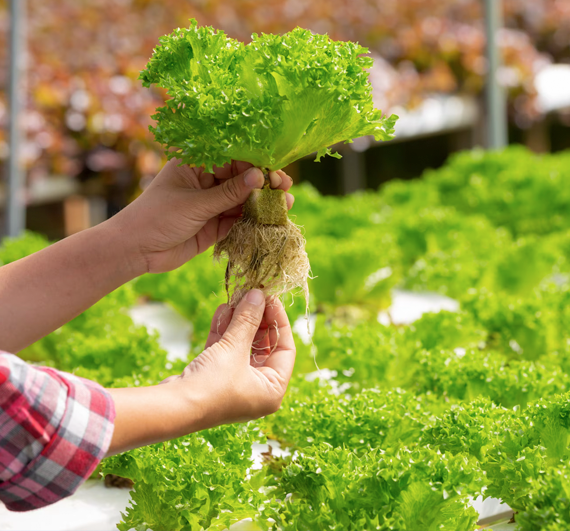
Many methods can be used to provide the nutrients plants need. These include soil analysis, fertilization, foliar feeding, hydroponic nutrition and organic nutrition. These methods may vary depending on the growth stage and species of the plants and on environmental conditions.
// Fergon Features //
Why Use It?.

Plant nutrition supplies the nutrients needed for plants to grow and develop healthily. This makes plants more productive and makes it possible to obtain higher-quality crops.

Proper nutrition helps plants resist disease. Healthy growth makes plants more resistant to diseases and pests, which makes protecting them easier.
Plant nutrition enables more efficient production by supplying the nutrients plants need. More productive plants help producers obtain more crops and earn a better income.
Frequently Asked Questions
Nitrogen (N)
Nitrogen is an essential element for plant growth because it is an important component of plant structure. Nitrogen deficiency slows plant growth and can cause leaves to turn yellow.
Phosphorus (P)
Phosphorus is an element required for root development, seed formation and flowering. Phosphorus deficiency slows plant growth and can cause leaves to turn purple.
Potassium (K)
Potassium regulates plants' water balance, increases their resistance to disease and ripens fruits and vegetables. Potassium deficiency slows plant growth and can cause brown spots along leaf edges.
Calcium (Ca)
Calcium is an element required for the formation of plant cell walls. Calcium deficiency slows plant growth and can cause necrosis (tissue death) in leaves.
Magnesium (Mg)
Magnesium plays an important role in chlorophyll synthesis and helps plants keep their green color. Magnesium deficiency can cause yellowing in plant leaves.